

I’ve Always Been a Person Who Notices Things.
Case Compare gives ordinary people, like stay-at-home moms interested in true crime, a structured way to learn how to compare real cases from home. This is how it started.
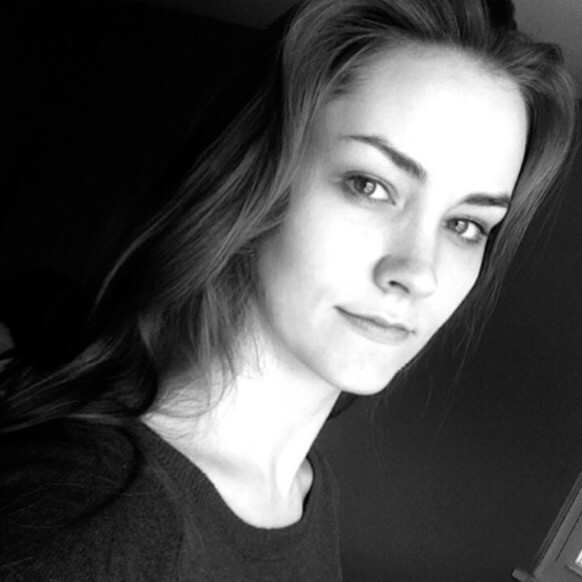
As a kid, I lived near the entrance to our neighborhood.
At night, I could tell which of my friends were home just by the headlights coming down the road. I learned the cars. I knew which family drove what.
Eventually, I could recognize the make and model just from the headlights.
On family road trips, I'd play the same game.
What kind of car is that?
But somewhere along the way, I realized I was doing the same thing with people.
I never forgot a face.
I'd see someone and immediately think, They look like my friend.
Or, They look like my friend's sister.
Sometimes it was something tiny—a nose, the shape of the eyes, a jawline, the way someone's features fit together.
And that's what fascinated me about faces.
A single feature could make someone look remarkably similar to another person.
But that same feature could also rule them out.
Then another feature would narrow it down again.
I started noticing that faces weren't just something you recognized.
They were a collection of details.
And details could distinguish one person from another.
In college, I could look across a parking lot and know which face belonged to which car—even though I'd never met those people.
Then, as an adult, I witnessed two nighttime hit-and-runs.
Both times, I was able to tell authorities the make and model of the car involved.
I noticed.
I recognized.
I remembered.
Years later, when I began researching missing and unidentified person cases, that same instinct followed me.
Only now, I wasn't comparing cars.
I was comparing people.
And the more cases I researched, the more I realized I wasn't simply searching.
There was a repeatable process buried inside what I was already doing.
That was the beginning of Case Compare.
Who is building it
I am building Case Compare as a stay-at-home mom. I have invested my own time and money into developing the methodology, writing the course, creating the workbooks, building the brand, and testing the products.
The long view
My long-term vision is to build Case Compare into a recognizable educational brand and community around responsible missing- and unidentified-person case research, giving people a meaningful way to learn, compare, document, and contribute from home.
Learn the method. Get the tools. Start helping.
Everything you need to narrow the field and find answers.